
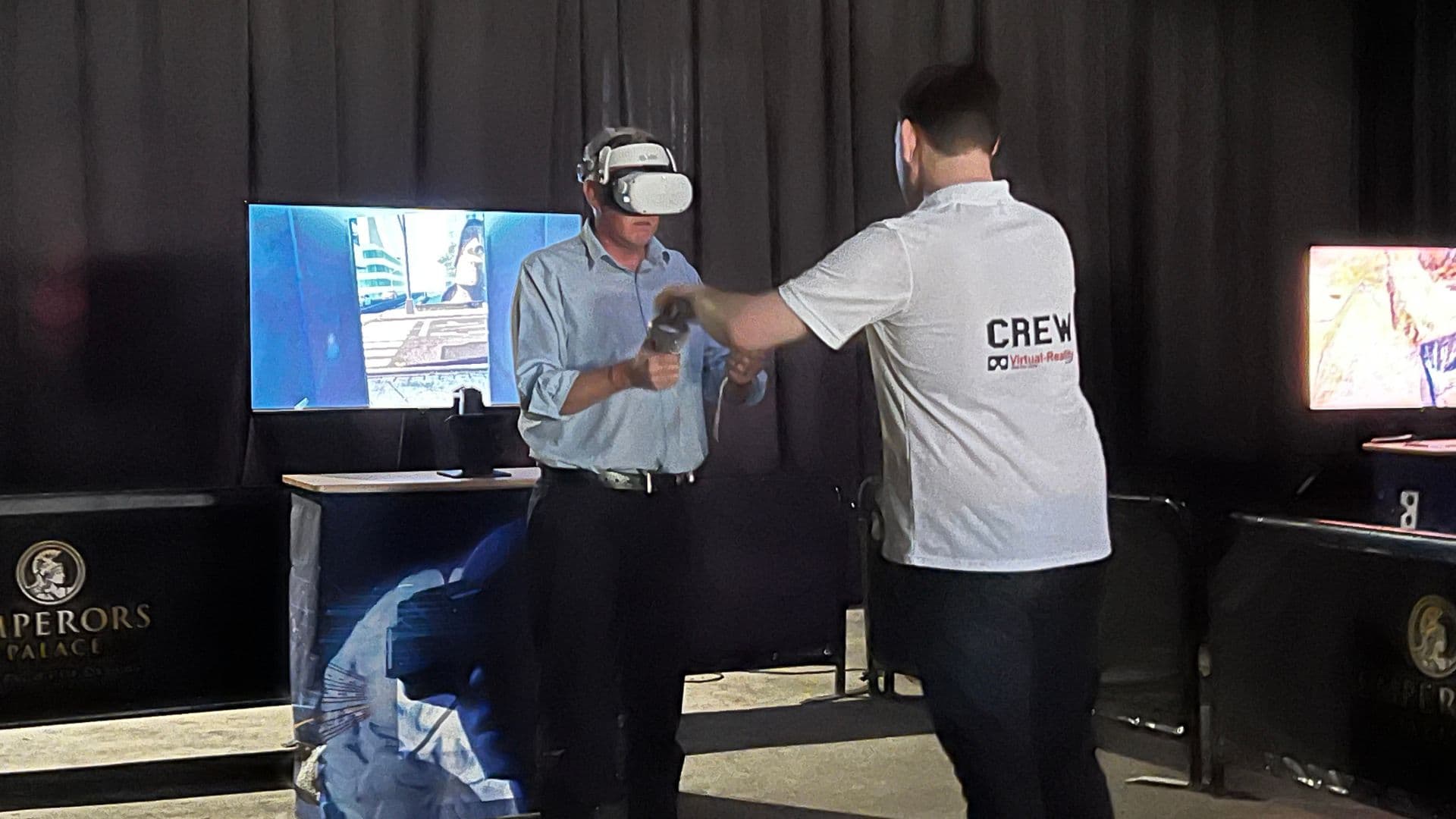
VitaTalent Consulting's Immersive Emperors Palace.
Transforming Team Dynamics Through Cutting-Edge Virtual Experiences In today's fast-paced corporate environment, traditional team-building...
Transforming Team Dynamics Through Cutting-Edge Virtual Experiences
In today's fast-paced corporate environment, traditional team-building exercises often struggle to engage employees and foster meaningful connections. VitaTalent Consulting, a leader in professional training and team development, has taken a bold step forward by integrating Virtual Reality (VR) into their team-building strategies. On October 9th, at the prestigious Emperors Palace, VitaTalent Consulting hosted an immersive VR event that not only captivated participants but also demonstrated the profound potential of VR in enhancing team dynamics and professional skills. This event highlighted how cutting-edge technology can revolutionize corporate training, making it more engaging, effective, and memorable.
Embracing the Future: Virtual Reality in the Corporate Arena
Evolution of VR Technology in Business
Virtual Reality has undergone a remarkable transformation from its early days as a niche technology for gamers and enthusiasts. Today, VR is a powerful tool utilized across various industries, including healthcare, engineering, finance, and education. Its ability to create immersive, interactive environments makes it an invaluable asset for businesses seeking innovative training solutions. In the corporate world, VR is employed to simulate complex scenarios, provide hands-on training, and facilitate remote collaboration, offering a level of engagement that traditional methods simply cannot match.
The evolution of VR technology has been driven by advancements in hardware and software, making it more accessible and user-friendly. High-resolution displays, precise motion tracking, and ergonomic designs have significantly enhanced the user experience, allowing for longer and more comfortable interactions. Additionally, the development of sophisticated VR applications tailored to specific professional needs has expanded its utility, making it a versatile tool for corporate training and development.
Adoption Trends Among Leading Companies
Leading corporations worldwide are recognizing the immense benefits of VR and integrating it into their training and development programs. For instance, Walmart utilizes VR for employee training, simulating real-life scenarios to improve customer service and operational efficiency. Boeing employs VR to train technicians on complex assembly processes, reducing errors and enhancing productivity. These companies, among others, are pioneers in adopting VR, setting a benchmark for others to follow.
The trend towards experiential learning through VR is not limited to large enterprises. Small and medium-sized businesses are also embracing VR to enhance their training programs, recognizing that immersive experiences can significantly improve knowledge retention and skill development. As the technology becomes more affordable and scalable, its adoption is expected to continue growing, making VR an integral part of corporate training ecosystems.
Benefits Beyond Entertainment
While VR is often celebrated for its entertainment value, its applications in the corporate sector extend far beyond mere amusement. VR enhances cognitive skills by providing interactive and hands-on learning experiences that promote better retention and understanding of complex concepts. It fosters creative problem-solving by placing employees in scenarios that require innovative thinking and strategic planning. Additionally, VR cultivates emotional intelligence by simulating high-pressure environments where individuals must manage stress, collaborate effectively, and demonstrate resilience.
Moreover, VR facilitates the development of soft skills such as communication, leadership, and teamwork. By engaging in virtual activities that mimic real-world challenges, employees can practice and refine these skills in a safe and controlled setting. This comprehensive approach not only prepares them for real-life situations but also contributes to overall organizational performance and employee satisfaction.
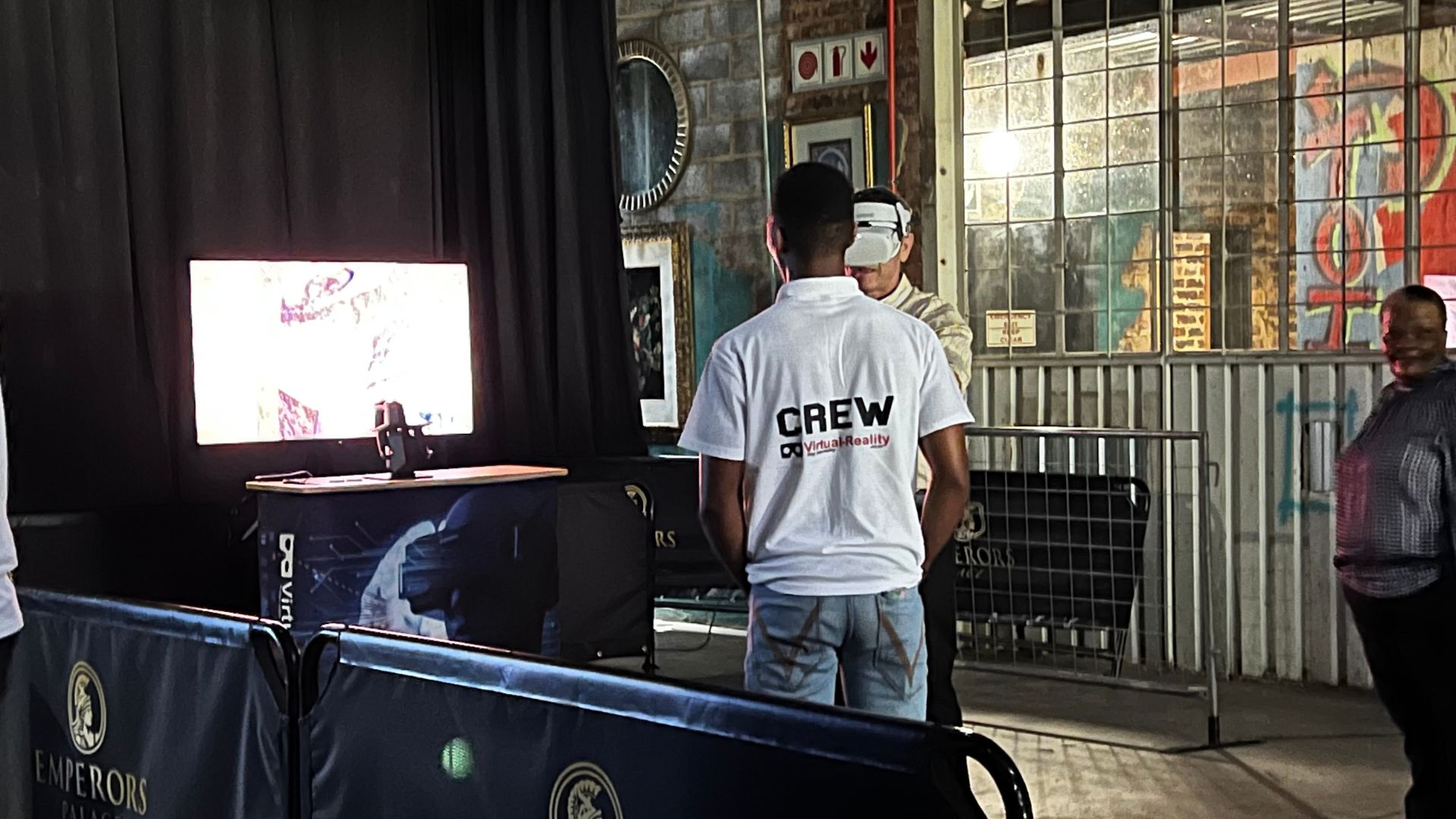
VitaTalent Consulting's VR Event: A Case Study in Innovation
Event Objectives and Vision
VitaTalent Consulting set out with a clear vision to revolutionize team-building by harnessing the power of VR. The primary objectives of the event were to enhance team cohesion, improve communication skills, and foster a culture of trust and collaboration among employees. By leveraging VR technology, VitaTalent aimed to create an engaging and memorable experience that would leave a lasting impact on participants, encouraging them to apply the lessons learned in their professional roles.
The choice of Emperors Palace as the venue was strategic, reflecting VitaTalent's commitment to providing a premium and immersive environment. Emperors Palace, known for its luxurious facilities and state-of-the-art amenities, offered the perfect setting to host an event that seamlessly blended technology with professional development. The venue's expansive spaces and sophisticated ambiance created an inviting atmosphere, conducive to both relaxation and intense immersive activities.
Collaborative Efforts with Virtual Reality South Africa
The success of the VR event was largely due to the collaborative efforts between VitaTalent Consulting and Virtual Reality South Africa, a leading provider of VR solutions. This partnership ensured the deployment of state-of-the-art VR technology tailored to the specific needs of VitaTalent's team-building objectives. Virtual Reality South Africa brought their expertise in VR setup and management, handling everything from the installation of high-resolution headsets to the configuration of motion tracking systems.
Their meticulous attention to detail and commitment to quality were evident throughout the event. By providing seamless technical support and ensuring the flawless operation of VR systems, Virtual Reality South Africa enabled VitaTalent Consulting to focus entirely on facilitating the team-building activities. This collaboration highlighted the importance of partnering with experienced VR providers to maximize the effectiveness and impact of immersive corporate events.
Curating Immersive Experiences: The Climb and The Plank Experience
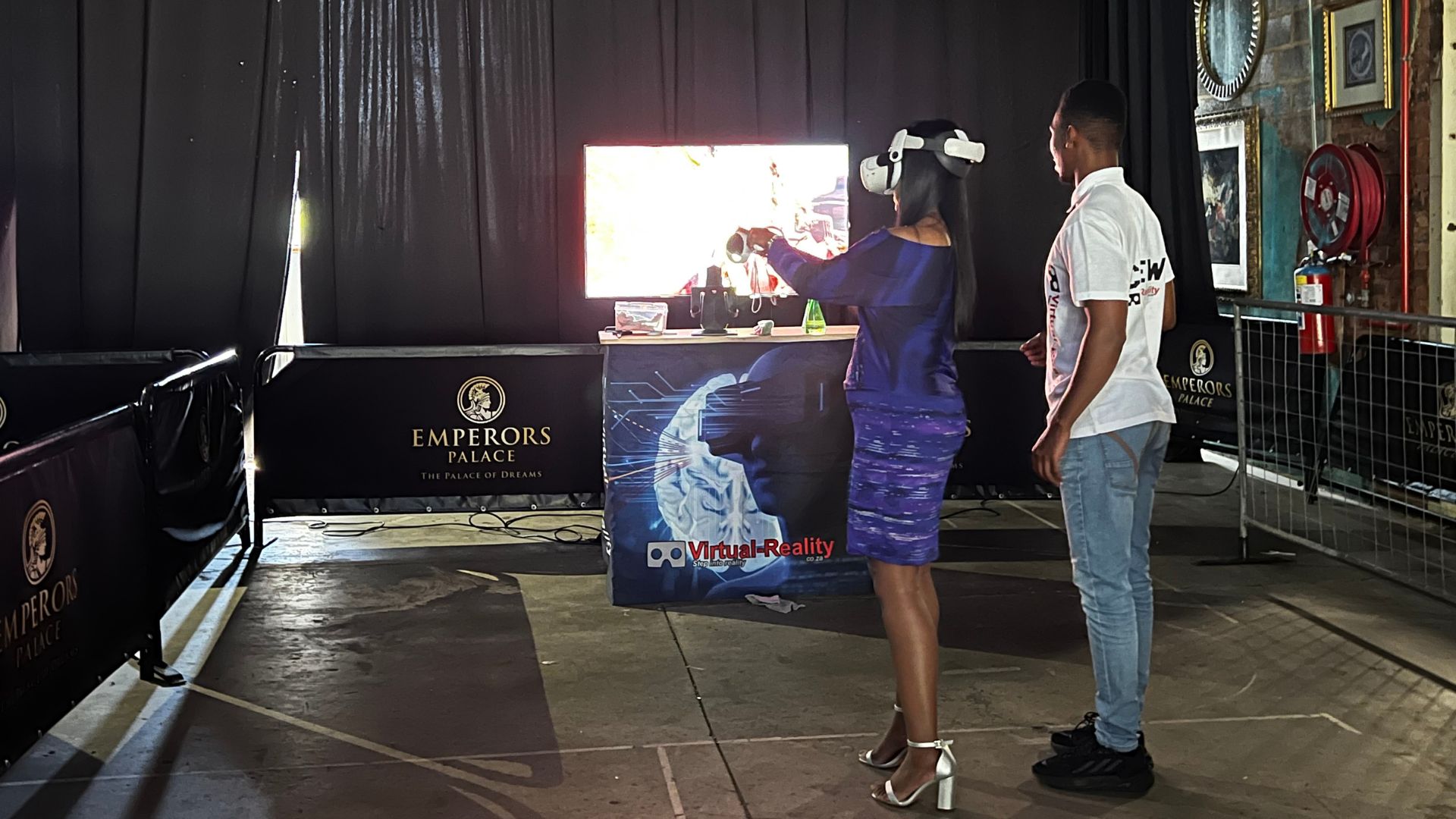
At the heart of the event were two flagship VR applications: The Climb and The Plank Experience. These activities were carefully selected for their ability to challenge participants both physically and mentally, pushing them beyond their comfort zones and encouraging personal growth. The Climb simulated the exhilarating experience of scaling formidable cliffs and mountains, requiring participants to navigate treacherous terrains and overcome unexpected obstacles. This activity served as a metaphor for real-life projects, where teams must collaborate, strategize, and support each other to achieve common goals.
The Plank Experience, on the other hand, placed participants on a narrow virtual plank suspended high above expansive vistas. This activity was designed to test and build trust within teams, as individuals relied on each other for encouragement and support to successfully traverse the plank. The simulated environment triggered genuine emotional responses, allowing participants to confront and overcome their fears in a controlled setting. These immersive experiences were instrumental in fostering resilience, adaptability, and collective confidence among team members.
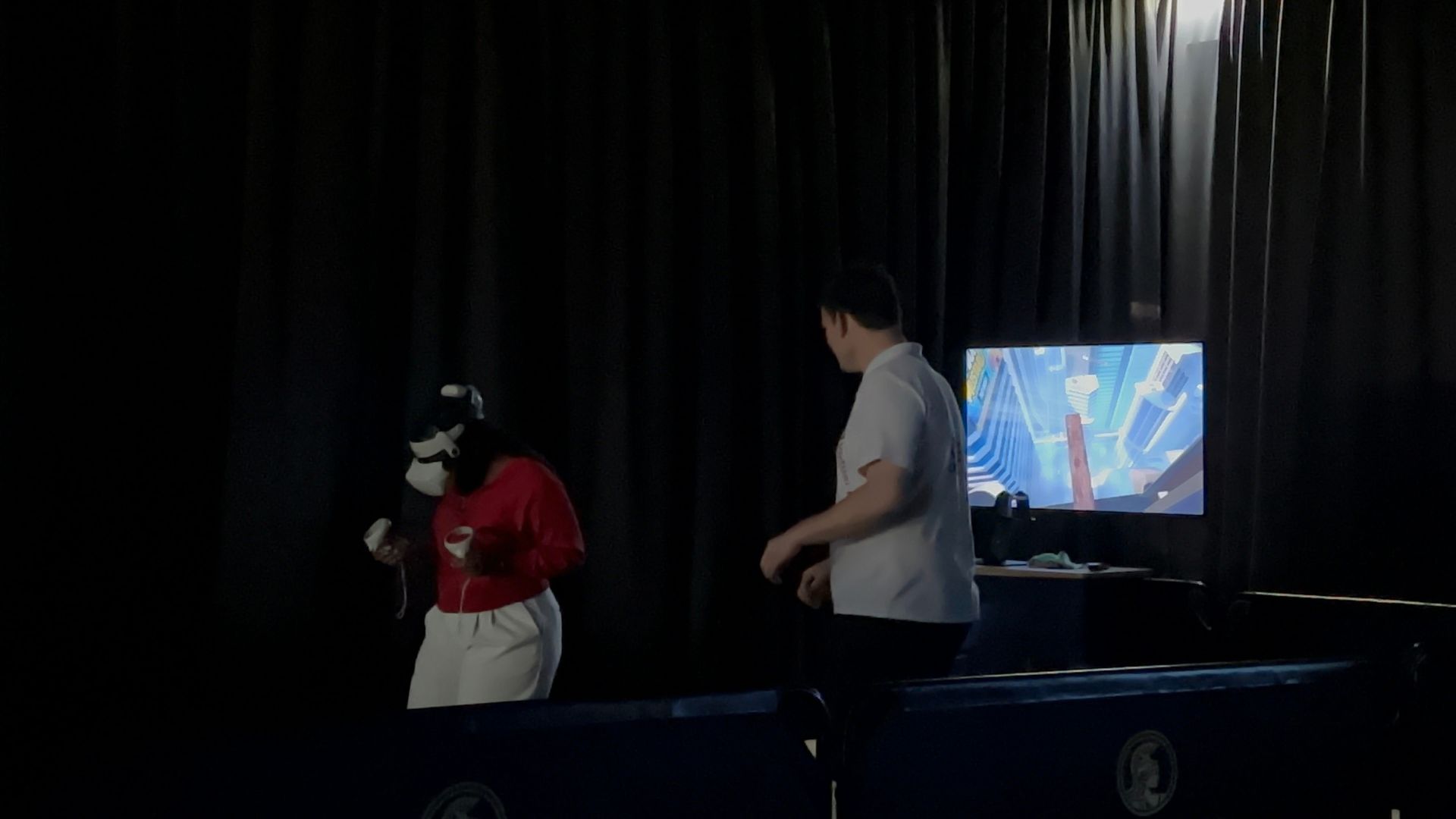
The Climb and The Plank Experience: Building Soft Skills Through Simulation
The Climb: Scaling New Heights in Team Collaboration
The Climb offered participants the thrill of ascending virtual peaks, navigating treacherous paths, and overcoming unexpected obstacles. This activity was not just a physical challenge but a comprehensive test of teamwork and strategic planning. Participants had to communicate effectively, delegate tasks, and support each other to navigate the complex terrain and reach the summit. The immersive nature of The Climb created a sense of urgency and excitement, mirroring the pressures and challenges faced in real-world projects.
As participants progressed through the virtual climb, they encountered various obstacles that required quick thinking and collaboration. Whether it was maneuvering around a loose rock or strategizing the best route to the top, each challenge reinforced the importance of teamwork and collective problem-solving. The sense of accomplishment upon reaching the summit was palpable, providing a tangible reward for their efforts and reinforcing the value of perseverance and mutual support in achieving common goals.
The Plank Experience: Walking the Tightrope of Trust
In The Plank Experience, participants stood on narrow planks suspended high above virtual landscapes, simulating the anxiety and thrill of heights. This activity was meticulously designed to test and build trust within teams. The narrow walkway required participants to maintain their balance while navigating the plank, relying on their teammates for encouragement and support. The realistic simulations triggered genuine emotional responses, making the experience both challenging and transformative.
The metaphor of walking a tightrope perfectly encapsulates the essence of trust and reliance in professional settings. Just as individuals must trust their balance while on the plank, team members must trust each other's abilities and intentions in the workplace. By encouraging participants to step onto the plank with the reassurance of their peers, the activity highlighted the significance of trust and collective confidence in overcoming challenges and achieving success.
Psychological and Emotional Impact
Both The Climb and The Plank Experience were crafted to evoke genuine emotional responses, from exhilaration to apprehension. These simulated experiences allowed participants to explore their psychological boundaries in a controlled environment, fostering emotional resilience and heightened self-awareness. The intense emotions elicited by the VR activities provided valuable insights into how individuals handle stress, pressure, and uncertainty, which are critical aspects of professional growth and development.
The emotional and psychological impact of these activities extended beyond the event itself. Participants reported feeling more confident, resilient, and capable of handling high-pressure situations in their professional roles. The ability to confront and overcome fears in a virtual setting translated into increased self-assurance and a proactive mindset, essential qualities for navigating the complexities of the modern workplace.
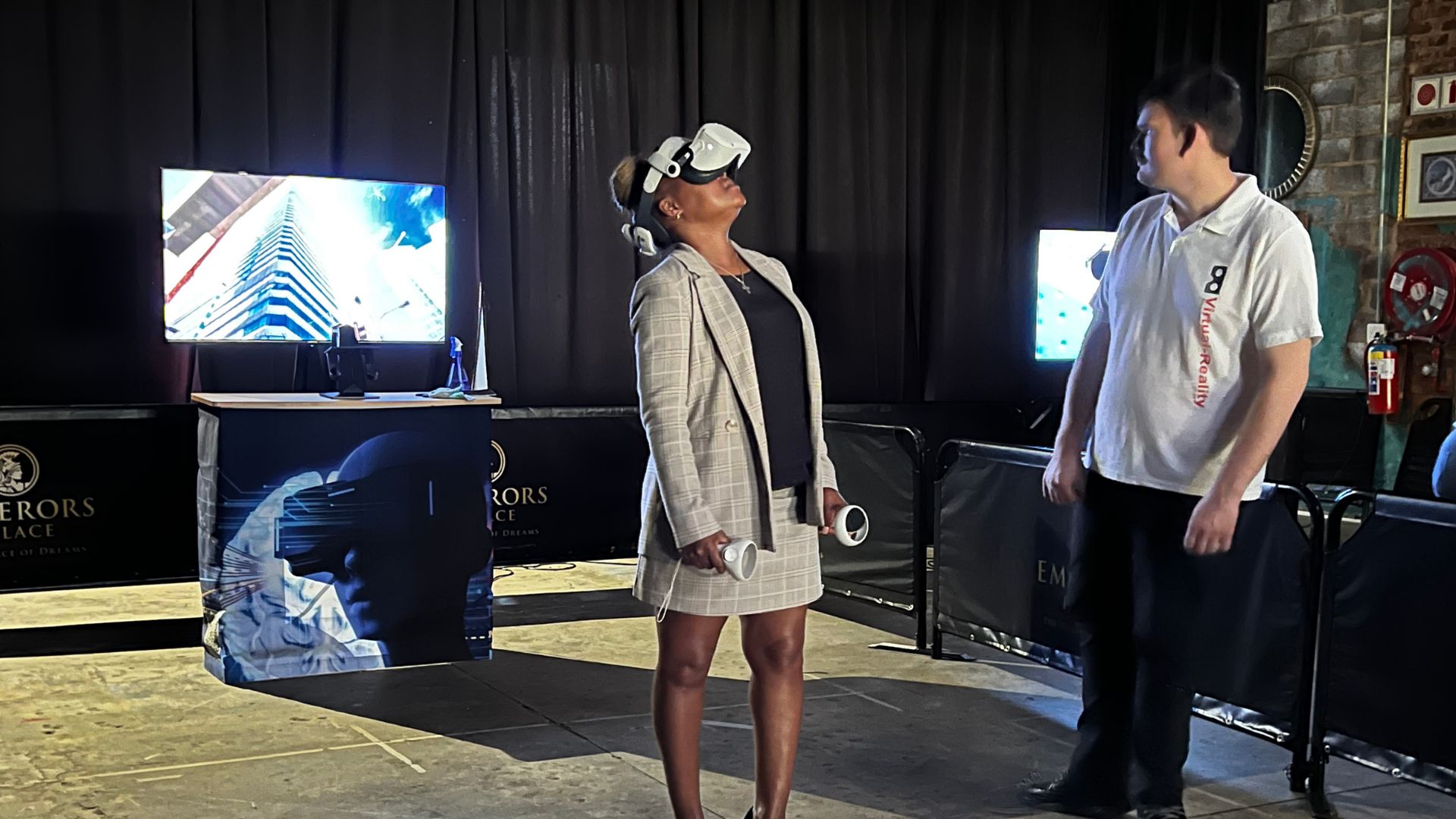
Technological Excellence: The Backbone of an Immersive Experience
Advanced VR Hardware and Its Role
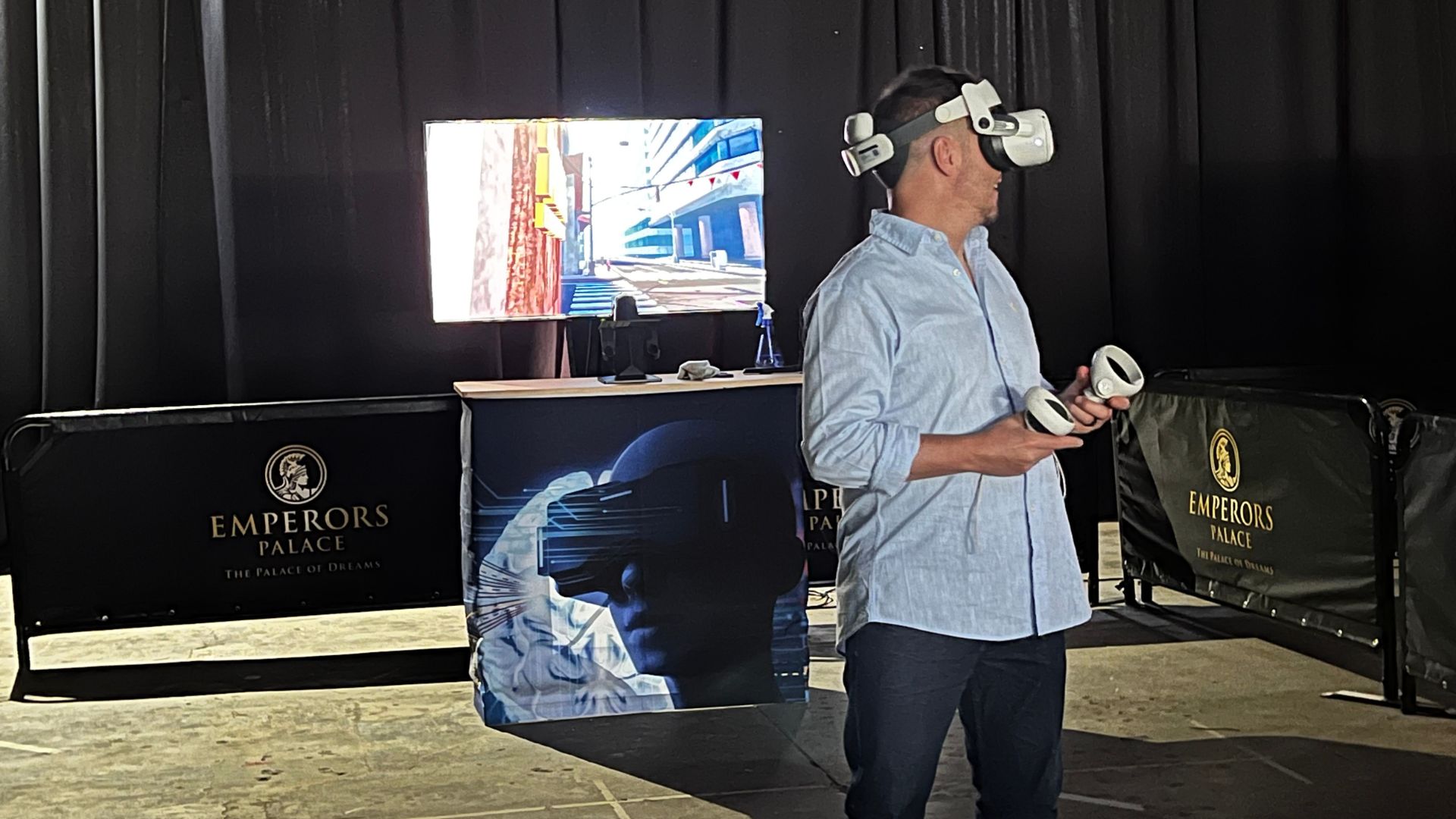
The success of the Emperors Palace event was underpinned by the use of cutting-edge VR headsets, including the Meta Quest 2 and other premium models. These devices are renowned for their high-resolution displays and precise motion tracking, which are crucial for creating lifelike simulations. The advanced hardware ensured that participants were fully immersed in the virtual environments, minimizing lag and enhancing the realism of each experience.
The Meta Quest 2, for instance, offers a wide field of view and high refresh rates, which are essential for reducing motion sickness and maintaining immersion during intense activities. The ergonomic design of the headsets also contributed to participant comfort, allowing for longer engagement without discomfort. These technological features played a pivotal role in delivering a seamless and immersive experience, ensuring that participants remained engaged and focused throughout the event.
Seamless Integration and User Experience
Virtual Reality South Africa meticulously configured the VR setups to ensure a smooth and uninterrupted experience for all participants. From the initial setup to the execution of each VR activity, every aspect was optimized for maximum engagement and minimal technical distractions. The intuitive user interfaces and user-friendly controls allowed participants to navigate the VR environments effortlessly, enabling them to focus entirely on the activities without being hindered by technical complexities.
The integration process involved extensive testing and calibration to ensure that the VR systems performed flawlessly. This attention to detail was crucial in creating a seamless user experience, as any technical glitches could disrupt the immersion and reduce the effectiveness of the activities. By prioritizing user experience and technical excellence, Virtual Reality South Africa ensured that the VR activities were not only engaging but also highly effective in achieving their intended objectives.
Scalability and Customization for Corporate Needs
One of the standout features of the VR setup was its scalability and customization. The technological infrastructure was designed to accommodate varying group sizes and diverse corporate requirements, making it a versatile tool for different team-building scenarios. Customizable settings allowed VitaTalent Consulting to tailor the VR experiences to specific training objectives, ensuring that each session was aligned with the company's strategic goals.
For instance, the difficulty levels of The Climb and The Plank Experience could be adjusted based on the team's proficiency and desired outcomes. This flexibility ensured that the activities remained challenging yet achievable, fostering continuous engagement and growth. Additionally, the ability to customize scenarios meant that the VR experiences could be tailored to address specific team dynamics and professional development needs, enhancing their relevance and impact.
Participant Reactions: From Nervous Excitement to Empowered Achievement
Initial Hesitations and Overcoming Fear
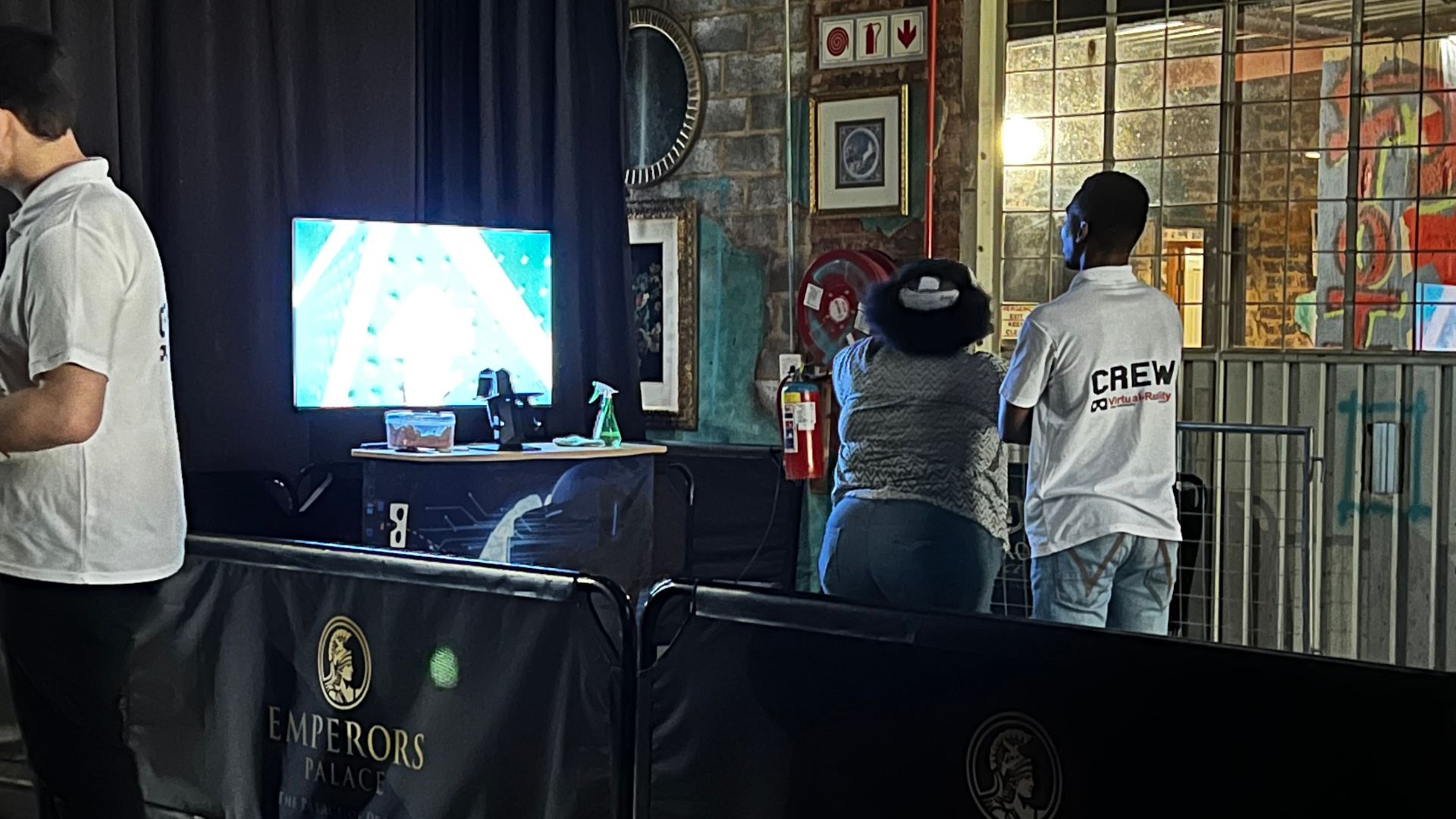
Many participants approached the VR activities with a mix of excitement and apprehension. The immersive nature of The Plank Experience often elicited initial hesitation, as individuals grappled with the simulated fear of heights. This natural response was quickly transformed into courage and determination, thanks to the supportive environment fostered by VitaTalent Consulting and the encouragement from peers.
The transition from hesitation to action was a powerful testament to the effectiveness of VR in overcoming personal fears and building confidence. Participants who initially doubted their ability to complete the activities found themselves pushing past their limits, motivated by the collective support and the adrenaline of the immersive experience. This transformation not only enhanced their personal resilience but also reinforced the importance of mutual support and encouragement within the team.
Moments of Triumph and Collective Celebration
As participants navigated the challenges of The Climb and The Plank Experience, moments of triumph were frequent and heartfelt. Reaching the summit in The Climb or successfully crossing the plank became collective victories, celebrated with cheers and applause. These shared successes created a sense of camaraderie and mutual pride, strengthening the bonds between team members.
The celebratory moments were more than just a response to individual achievements; they symbolized the collective effort and collaboration that made those achievements possible. The emotional highs experienced during these victories fostered a positive and supportive team culture, encouraging participants to continue working together towards common goals. This shared sense of accomplishment was a key outcome of the event, highlighting the profound impact of immersive VR activities on team dynamics.
Long-Term Impact on Team Dynamics
The emotional and psychological experiences garnered during the event had a lasting impact on team dynamics. Participants reported increased trust, improved communication, and a heightened sense of unity. The VR activities served as a catalyst for ongoing collaboration, with team members more inclined to support each other and work cohesively towards common objectives.
Post-event feedback indicated that the lessons learned through VR activities were being applied in daily work interactions. Teams were more proactive in seeking input from each other, demonstrating greater empathy and understanding, and showing a willingness to collaborate on complex projects. This sustained improvement in team dynamics underscored the effectiveness of VR as a tool for fostering long-term professional growth and organizational success.
The Broader Implications: VR's Role in Shaping Corporate Training
Expanding Beyond Team Building
The success of the Emperors Palace event highlights VR's potential beyond traditional team-building exercises. Corporate training programs can incorporate VR to simulate complex scenarios, such as crisis management, leadership challenges, and customer interactions. These immersive simulations provide employees with practical experience, enhancing their skills and preparedness for real-world situations.
For example, VR can be used to create realistic crisis simulations where employees must navigate high-pressure situations, make quick decisions, and collaborate effectively under stress. Similarly, leadership training can benefit from VR scenarios that require participants to lead virtual teams, manage conflicts, and develop strategic plans. These applications of VR extend its utility beyond team building, making it a comprehensive tool for various aspects of professional development.
Enhancing Remote Team Engagement
In an increasingly remote and hybrid work environment, maintaining team engagement and cohesion poses significant challenges. VR offers innovative solutions for remote team engagement, providing virtual meeting spaces and collaborative environments where remote employees can interact in a more dynamic and immersive manner. This technology bridges the gap between physical and virtual presence, fostering a sense of belonging and cohesion among distributed teams.
Virtual meeting spaces in VR can replicate the dynamics of in-person interactions, allowing team members to engage in real-time collaboration, brainstorming sessions, and social activities. This enhanced level of interaction helps mitigate the isolation often associated with remote work, promoting stronger interpersonal relationships and a more unified team culture. By leveraging VR, organizations can maintain high levels of engagement and productivity, even in remote settings.
Future Innovations and Applications
As VR technology continues to advance, its applications in the corporate world are set to expand further. Emerging trends include the integration of artificial intelligence to create adaptive training programs, the use of augmented reality (AR) for on-the-job training, and the development of personalized VR experiences tailored to individual learning styles. These innovations promise to make corporate training more effective, engaging, and accessible.
Artificial intelligence can enhance VR training by providing real-time feedback, adapting scenarios based on participant performance, and personalizing learning paths to address specific strengths and weaknesses. Augmented reality can complement VR by overlaying digital information onto the physical world, enhancing on-the-job training with interactive and contextual learning tools. Personalized VR experiences can cater to individual learning preferences, ensuring that each employee receives training that is both relevant and effective. These advancements will further solidify VR's role as a cornerstone of modern corporate training and development.
The Broader Implications Vrs Role In Shaping Corporate Training
Author: Gerald Ferreira
Virtual Reality Events is South Africa's leading immersive event provider, bringing interactive virtual reality experiences, high-end hardware rentals, and custom software builds to corporate activations nationwide. Learn more at virtualrealityevents.co.za.