
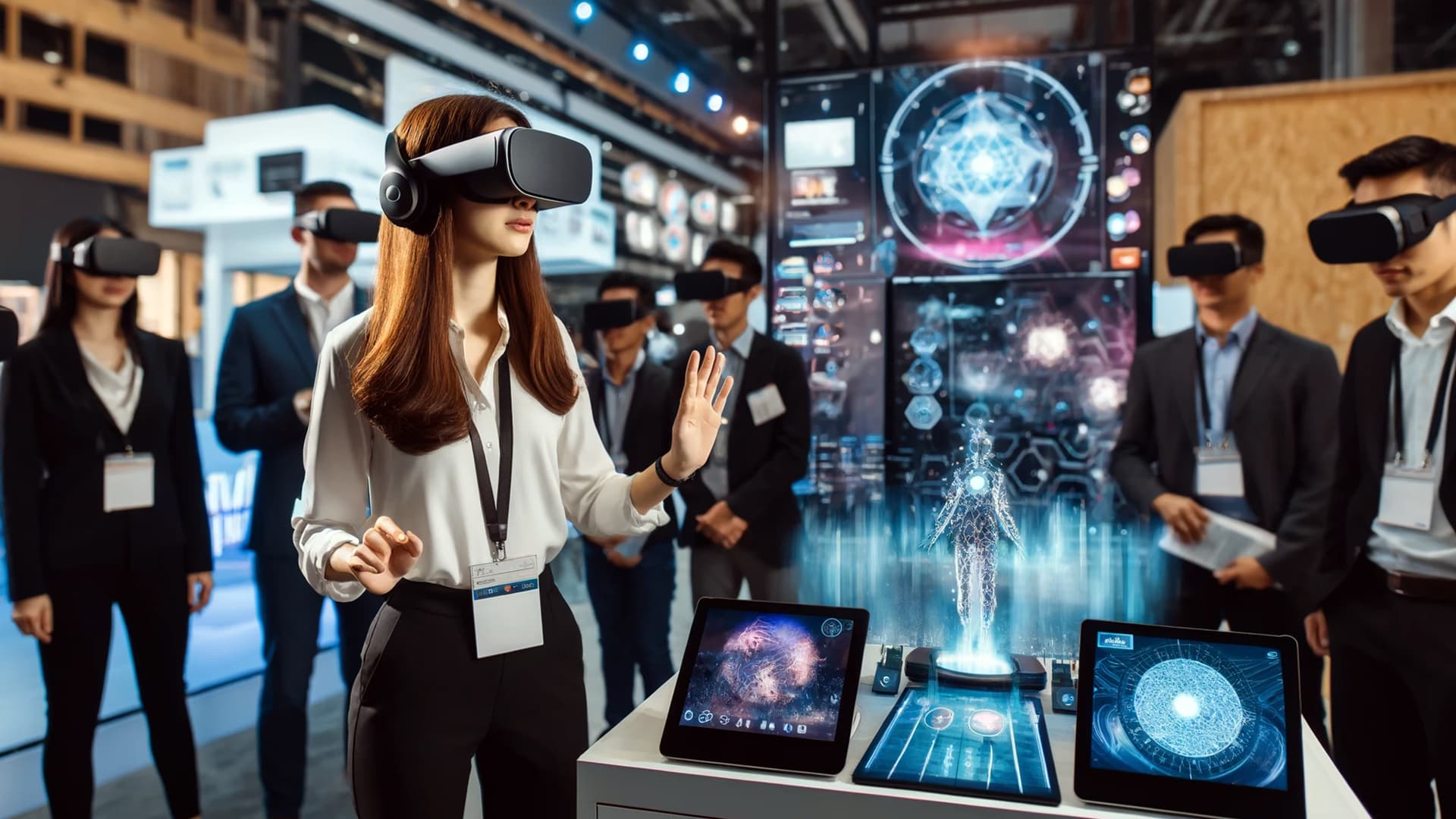
Revolutionizing Trade Shows: The Future is Hybrid and Virtual
In an era where digital transformation is paramount, trade shows have a unique opportunity to expand their horizons beyond the conventional. By...
In an era where digital transformation is paramount, trade shows have a unique opportunity to expand their horizons beyond the conventional. By integrating virtual reality (VR) and developing hybrid models, trade show organizers can break physical boundaries, attract new audiences, and provide enriched experiences both in-person and online. This article explores how the innovative use of VR and hybrid models can transform trade shows, making them more accessible, interactive, and globally inclusive.
Expanding Reach with Virtual Reality
Global Accessibility: One of the most significant advantages of virtual reality trade shows is the ability to reach a global audience. Participants from around the world can attend without the need for travel, reducing costs and logistical barriers. This not only increases attendance but also diversifies the participant base, bringing in perspectives from different cultures and industries.
Enhanced Engagement through Immersion: VR technology can create immersive environments that replicate or even enhance the physical experience of a trade show. Attendees can navigate virtual booths, interact with 3D models of products, and engage in real-time conversations with booth representatives through their avatars. This level of interaction goes beyond what traditional webinars or video calls can offer, providing a tactile sense of presence and engagement.
Year-Round Availability: Unlike physical events which are limited by time, virtual trade shows can remain accessible year-round as ongoing exhibitions. This allows exhibitors to maximize their return on investment and attendees to visit at their convenience, increasing the longevity and reach of the content displayed.
Creating Hybrid Trade Shows
Seamless Integration of Physical and Virtual: Hybrid trade shows merge the physical and virtual worlds, offering simultaneous experiences to in-person and online attendees. This model caters to all preferences, combining the traditional appeal of in-person interactions with the innovative features of VR. For instance, a keynote speech can be attended physically or viewed live in a VR setting, with questions sourced from both audiences.
Interactive Features for Enhanced Networking: Networking is a key component of trade shows, and VR can enhance this through features like virtual meeting rooms, AI-powered matchmaking for business contacts, and interactive seminars. These tools can help forge meaningful connections, facilitate knowledge exchange, and promote collaboration more efficiently than traditional methods.
Data Analytics and Feedback: Hybrid models equipped with VR technology can gather detailed data on attendee behavior, preferences, and engagement levels. This information is invaluable for organizers and exhibitors to understand their audience better, tailor future content, and measure the success of their event in ways that are not possible in a solely physical setup.
Implementation Strategies
Choosing the Right Platform: Selecting a VR platform that is accessible, user-friendly, and scalable is crucial. The platform should support high-quality graphics, handle large numbers of users simultaneously, and provide robust security measures to protect user data.
Training and Support: To ensure a smooth experience for all participants, comprehensive training sessions for exhibitors and attendees on navigating the VR environment are essential. Additionally, providing ongoing technical support during the event can help minimize disruptions and enhance user experience.
Marketing and Promotion: For a hybrid trade show to be successful, effective marketing strategies must be employed to attract both physical and virtual attendees. Promotions should highlight the unique features and benefits of attending the trade show virtually, emphasizing the convenience, interactive opportunities, and exclusive online content.
The future of trade shows lies in the ability to adapt and innovate. By embracing virtual reality and hybrid models, trade shows can transform into more inclusive, engaging, and impactful events. This not only extends their reach to a global audience but also enriches the experience for all participants, setting a new standard for how industry gatherings are conducted in the digital age. Trade show organizers who leverage these technologies can look forward to not only surviving but thriving in a rapidly evolving marketplace.
Elevate Your Trade Show to the Next Dimension with Virtual Reality
Are you ready to transform your trade show into an immersive, global event? Partner with Virtual Reality Events and step into the future of exhibitions and conferences. With our expertise in virtual reality technology and event management, we empower trade show organizers to transcend traditional boundaries and create dynamic, hybrid experiences that captivate and engage audiences worldwide.
Why Partner with Us?
Capitalize on the Opportunity Don't let your trade show be limited by physical space and geographical barriers. Embrace the potential of virtual reality to host an innovative, impactful event that sets you apart from the competition. Whether you're looking to fully virtualize your event or create a hybrid experience, Virtual Reality Events is your partner in making it happen.
Contact Us for more information, or to start the conversation!
Author: Gerald Ferreira
Virtual Reality Events is South Africa's leading immersive event provider, bringing interactive virtual reality experiences, high-end hardware rentals, and custom software builds to corporate activations nationwide. Learn more at virtualrealityevents.co.za.